


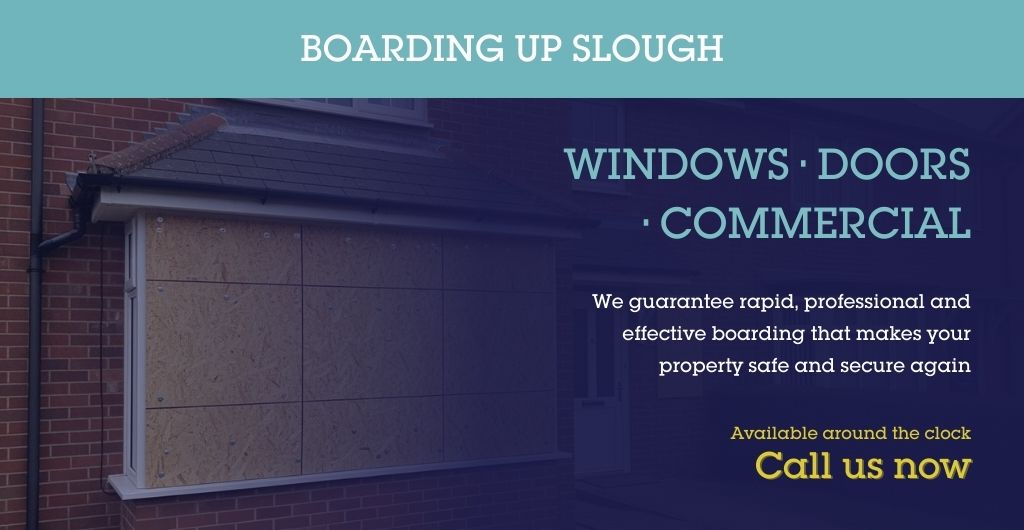
Flood damage boarding up in Slough (SL) — securing your property after water ingress
Flooding is stressful and messy, and it often leaves your home or premises exposed. In Slough and across the SL postcode area, flood damage can happen after intense rainfall, overwhelmed surface-water drains, burst pipes, or water entering through compromised roofs and brickwork. Once water has been inside, doors can swell, locks can fail, glazing can crack under pressure, and frames can shift—leaving you with openings that won’t shut properly or can’t be secured.
If you need flood damage boarding up in Slough, we focus on one thing: making the building safe and secure again so you can move on to drying, repairs, and insurance steps.
Need urgent help securing a flooded property? Call 01753 379 919 or email info@boarding-up-slough.co.uk.
When flood damage leads to an insecure property
Not every flood means you need boarding up. But in practice, we’re often called when water has caused (or revealed) a security problem, such as:
- Doors that won’t close or lock (swollen timber doors, dropped uPVC doors, jammed multipoint locks)
- Cracked or failed glazing after pressure changes or debris impact
- Frames softened or distorted by prolonged water exposure
- Ground-floor shopfronts left vulnerable after a rapid clean-up or forced ventilation
- Vacant properties where standing water has been pumped out but the building can’t be reliably locked up
In the Slough area, we commonly see issues in ground-floor flats, maisonettes, older terraces, and commercial units where water finds the easiest route in—especially around low thresholds, poorly draining rear access lanes, and tired seals on doors and windows.
If you’re unsure whether you need boarding, you can still call. We’ll talk through what’s happened and what’s currently insecure, then advise the most sensible next step.
What to do first after a flood (before we arrive)
Only do what’s safe. Floodwater can hide electrical hazards and structural issues.
- If there’s any risk to life, call 999 and follow emergency service advice.
- If safe, isolate electricity at the consumer unit—don’t touch anything if you’re standing in water.
- Take photos/videos of damage and any openings (helpful for your insurer).
- Ventilate where possible without leaving the property wide open—only if you can do so securely.
- Keep a note of key details: when it started, suspected cause (heavy rain/burst pipe), and any contractor attendance (plumber, leak detection, water pump-out).
We’re not loss adjusters and we don’t handle drying or mould remediation—but we can secure the building properly and provide documentation insurers typically request.
How we secure flood-damaged properties in Slough
Flood damage creates unusual access and fixing challenges. Wet materials behave differently, and you often need a solution that stays put while the property dries out and repairs are organised. Our aim is to secure the building without making later repairs harder than they need to be.
1) We assess what’s actually insecure
When you call, we’ll ask practical questions (type of property, which openings are compromised, whether there’s safe access). On arrival, we check:
- Which door/window/rooflight is the main vulnerability
- Whether frames are too soft or distorted for non-destructive fixing
- Whether the property needs ventilation as well as security (common after flooding)
If the frame is too damaged to fix to cleanly, we’ll explain the options before we proceed.
2) We board openings using the right materials for the job
Most flood-related boarding is for ground-floor windows and doors. Depending on the opening size and condition, we typically use:
- 18mm exterior-grade plywood for strong, reliable protection on larger openings
- 12mm OSB for smaller panes/openings where appropriate
We choose fixings to reduce the risk of removal from outside—particularly important if the property will be unattended overnight or between drying visits.
If you specifically need window protection, see our dedicated page for window boarding in Slough.
3) We secure doors that have swollen, dropped, or failed
After flooding, doors can be the biggest problem—especially when multipoint locks won’t engage or timber has expanded.
Depending on what’s happened, we may:
- Board and brace a damaged door opening as a short-term measure
- Install a temporary steel door for a more robust, medium-term solution (ideal for repeated contractor access during repairs and drying)
If a door is your main concern, read more about door boarding in Slough.
4) We consider ventilation (without compromising security)
Flooded buildings often need airflow. Completely sealing a property can slow drying and worsen odours/mould risk. Where it’s appropriate, we can incorporate secure airflow options (for example, leaving controlled ventilation points while still preventing entry).
We’ll be honest: every property is different. In some cases—particularly where there’s contamination risk—your restoration contractor may want a different approach. Our job is to secure the openings safely and sensibly.
5) You get clear documentation for follow-on repairs and insurance
After we’ve secured the property, we can provide:
- Time-stamped photos of the openings before and after
- An itemised invoice and a brief work statement describing what was done and materials used
This is often helpful for insurance claims support—we can’t approve claims, but we can give you the paperwork insurers usually ask for.
Common flood scenarios we see across Slough and the SL postcode area
Flooding isn’t always dramatic “river flooding”. In and around Slough, many call-outs come from:
- Surface-water flooding after heavy rain when drains can’t cope
- Blocked gutters/valleys leading to internal leaks, then ceiling failure and water ingress
- Burst pipes in vacant or lightly used buildings, especially overnight
- Water entering through compromised windows/doors where seals have failed
In commercial settings, we’re often asked to secure a property quickly so the business can manage safety and liability while repairs are arranged. If your premises has been affected, we also cover commercial boarding up in Slough.
Micro case study: securing a flooded ground-floor flat so drying could begin
A landlord contacted us after a ground-floor flat had taken on water during a period of heavy rain. The tenant had moved belongings upstairs, but the rear door had swollen and wouldn’t lock and a small window pane had cracked while being forced shut. The insurer wanted the property secured before contractors could start drying equipment.
We attended, checked the frame condition, and used exterior-grade boarding to secure the vulnerable opening. For the door, we secured the doorway properly and advised on the next step for a more robust solution if access was needed over the coming weeks. We provided time-stamped photos and an itemised invoice for the claim file, allowing the landlord to progress with drying and repairs without leaving the flat exposed.
Choosing the right option: boarding, steel doors, or longer-term security
Flood repairs can take time—especially if plaster, flooring, electrics, or joinery need replacing. The best security approach depends on how long the property will be vulnerable:
- Short-term (hours to a few days): boarding up vulnerable windows/doors is usually enough
- Medium-term (weeks): a temporary steel door can be more practical and secure for contractor access
- Vacant/void buildings: consider a stronger, longer-term setup suited to unoccupied properties
If the building will be empty, see vacant property boarding in Slough.
How our flood damage boarding process works
Step 1: Call and tell us what’s happened
We’ll ask:
- Address and postcode (SL0–SL9 and across the wider SL area)
- Which openings are compromised (front door, back door, ground-floor window, rooflight)
- Any hazards (standing water, electrics off, restricted access)
If you need urgent help, use our emergency boarding up service.
Step 2: We secure the property
We measure, cut, and fix boarding to suit the opening and the condition of the surrounding structure. We aim for security first, then practicality for the next trades on site.
Step 3: You receive confirmation and paperwork
We can supply photos and paperwork for landlords, managing agents, and insurers.
If you need cost guidance, our pricing page explains what affects the total (materials, access, size/number of openings, and whether special fixings are required).
Flood damage FAQs (Slough & SL area)
Can you board up if the frames are wet or swollen?
Often, yes—but it depends on how degraded the frame is. Wet timber and softened substrates can reduce fixing strength. If we can’t fix securely without risking further damage, we’ll explain alternatives (including a temporary steel door where appropriate).
Do you handle drying and dehumidifiers after flooding?
No. Our role is to secure the property—boarding, temporary security, and making openings safe. Drying, odour control, and mould remediation are typically handled by specialist restoration contractors.
Is flood damage boarding up covered by insurance in Slough?
Sometimes it is, but policies vary. We’re not insurers or loss adjusters; however, we can provide photos and itemised invoices that many insurers request. See insurance claims support for practical guidance.
How long does boarding up take?
It depends on the number and size of openings and site conditions (access, water, damage level). When you call, we’ll ask enough questions to set expectations before we attend.
I’m in a flat with communal entrances—can you still help?
Yes, but permissions matter. If the issue is within your demise (your windows/doors), we can normally secure it. If it involves communal doors or shared areas, we may need confirmation from the freeholder, managing agent, or facilities team.
Next steps: secure the property, then plan repairs
Flood damage has a way of escalating—especially if doors and windows won’t shut properly. Securing the building quickly reduces the risk of theft, vandalism, and further weather ingress while you organise drying and repairs.
Ready to get started? Call 01753 379 919 or email us for a free, no-obligation quote.
